Online & integrated, Guides
Checkout, gateway and recurring billing. 17 pieces in guides, written for merchants worldwide: what online & integrated covers, what to check on your own statement, and the decisions it changes.
Online & integrated
Online & integrated
Checkout, gateway and recurring billing.
On this shelf

Hands holding a payment card above a laptop keyboard Text to Pay: How to Get Paid by Text Message (and Why It Works So Well)
Text to pay sends a secure payment link by SMS: the customer taps, a checkout opens with the amount pre-filled, and they pay by card or wallet in under a minute. It works because texts get seen almost immediately and acted on quickly, while emailed invoices queue behind everything else in an inbox. The fit is any moment where payment should happen now: field-service balances, appointment deposits, curbside orders and overdue-invoice nudges.
ExploreHands holding a payment card above a laptop keyboard QR Code Payments: The Complete Merchant Guide
A payment QR code encodes a link to a secure checkout: the customer scans with their camera, a payment page opens with the amount or catalogue ready, and they pay by card or wallet on their own phone. Static codes point to a fixed destination and cost nothing to print; dynamic codes are generated per transaction with the amount embedded. The pattern's power is deploying checkout where hardware is impractical: tables, counters, vehicles, posters, invoices and events.
ExploreHands holding a payment card above a laptop keyboard How to Collect Past-Due Invoices: 8 Tactics That Actually Get You Paid
Most overdue invoices are not refusals; they are friction. The fixes attack the friction in order: attach a payment method to every invoice so paying takes one click, automate a polite reminder sequence, take deposits before work starts, move repeat clients to autopay, offer instalments before threatening escalation, charge (disclosed) late fees, make the phone call at day 30, and know when handing the file to collections beats carrying it. Businesses that systematize this shorten collection cycles dramatically.
ExploreHands holding a payment card above a laptop keyboard Dunning Management: How Subscription Businesses Recover Failed Payments
Dunning is the systematic recovery of failed recurring payments: classifying each decline, retrying soft failures on an intelligent schedule, refreshing expired cards through an account updater, and messaging customers in a tone that assumes good faith. It matters because involuntary churn, customers lost to failed cards rather than decisions, typically accounts for a large share of all subscription churn, and it is the most fixable revenue problem a recurring business has.
Explore
SaaS metrics dashboard Recurring Billing for SaaS
Recurring programs need retry logic, self-service and PCI-safe card-on-file with clear cancellation paths.
Explore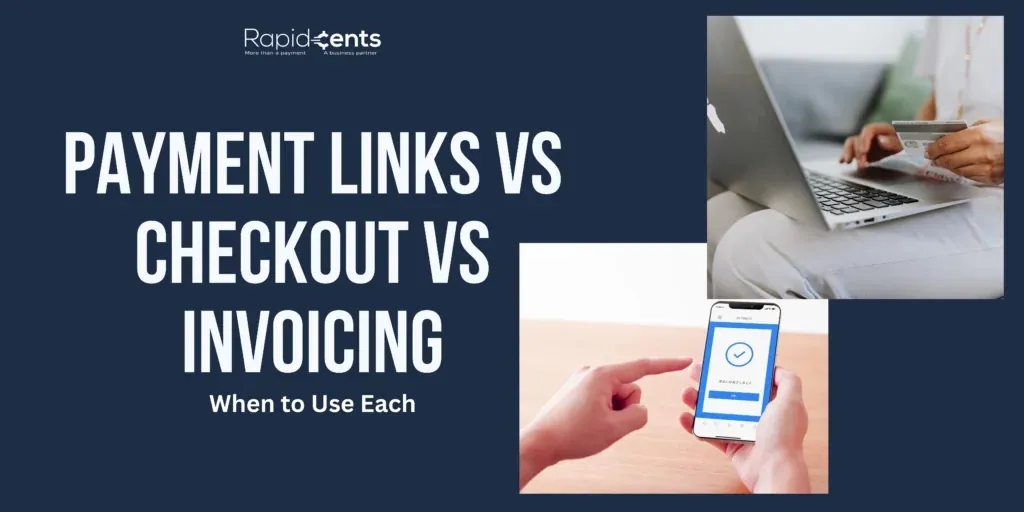
Payment Links vs Checkout vs Invoicing: When to Use Each Payment Links vs Checkout vs Invoicing: When to Use Each
Use checkout for fast, self-serve purchases with fixed pricing; use payment links for deposits, custom quotes, balance payments, and overdue-invoice recovery sent by email, text, or chat; use invoicing for B2B and pay-later workflows that need documentation, net terms, or progress billing. The best setup maps each method to its use case rather than forcing everything through one channel.
Explore
The Complete Guide to Subscription Revenue Models The Complete Guide to Subscription Revenue Models
A subscription revenue model charges customers a recurring monthly, quarterly, or annual fee for continued access to a product or service. The five common types are fixed flat-rate, tiered pricing, usage-based metered billing, freemium or free-trial-to-paid, and hybrid product-plus-service models. Success depends on tracking MRR, churn, CLTV, CAC, and ARPU, and on infrastructure for recurring billing, dunning, and revenue analytics.
Explore
Online Payment Processing & Gateways: The Complete Guide for Merchants Online Payment Processing & Gateways: The Complete Guide
Online payment processing lets merchants accept credit cards, debit cards, and mobile wallets through a secure chain: the gateway encrypts transaction details, the processor and card network verify them, and the issuing bank approves or declines. Merchants need a merchant account, a pricing model (flat-rate or interchange-plus), and terminals suited to online or in-person selling.
Explore
How to Trace an ACH Transaction: The Complete Step-by-Step Guide How to Trace an ACH Transaction
To trace an ACH transaction, gather the transaction details—date, amount, parties and any reference numbers—along with account statements and authorization records, then contact your financial institution, explain the issue, complete any required trace forms and record the case number. Follow up regularly; banks can track transfers through the ACH network even across intermediaries.
Explore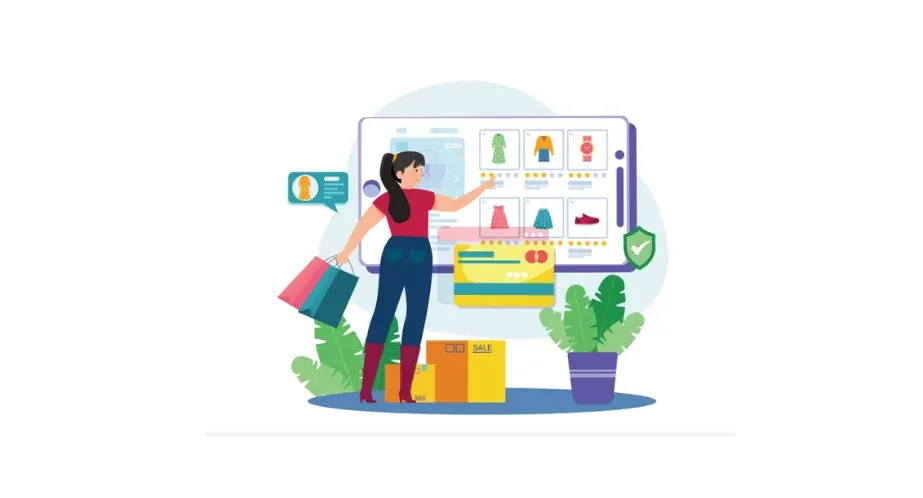
Should You Build a Custom Checkout or Use a Third-Party Solution? Should You Build a Custom Checkout or Use a Third Party?
Build a custom checkout when you need full control over UX, industry-specific flows, and data ownership, and you have developers, security expertise, and budget for PCI DSS compliance. Use a third-party checkout when you want fast deployment, built-in security and compliance, automatic updates, and global payment support. Many businesses choose a hybrid: a third-party backend for compliance with a custom frontend for branding.
Explore
Integrating Debit Card Processing Into Your E-Commerce Strategy Integrating Debit Card Processing Into E-Commerce
Integrating debit card processing into an e-commerce strategy means offering shoppers a payment method drawn directly from their bank account, which broadens your customer base, cuts cart abandonment, and builds trust. Success depends on choosing a processor with fair fees and strong security, integrating its gateway with your platform, meeting PCI DSS, and improving checkout for conversion.
Explore
Tips for Smooth Integration of Online Card Processing in Your Business Operations Integrating Online Card Processing Into Your Operations
Integrating online card processing smoothly follows a clear sequence: assess your transaction types and compliance needs, research and compare providers on fees and features, prepare your website with SSL encryption and PCI DSS compliance, train employees, run functional and pilot testing, support customers with dedicated channels, and monitor performance with real-time alerts and analytics.
Explore
E-Commerce Payment Gateway APIs: Building Custom Solutions for Your Business E-Commerce Payment Gateway APIs: Building Custom Solutions
A payment gateway API is the digital channel that connects your e-commerce site or app to a payment processor, carrying payment requests and responses securely. Building a custom solution involves choosing an API type (direct, hosted, JavaScript, or RESTful), getting API credentials, integrating in a sandbox, testing transactions, and applying security measures like encryption, tokenization, and PCI DSS compliance.
Explore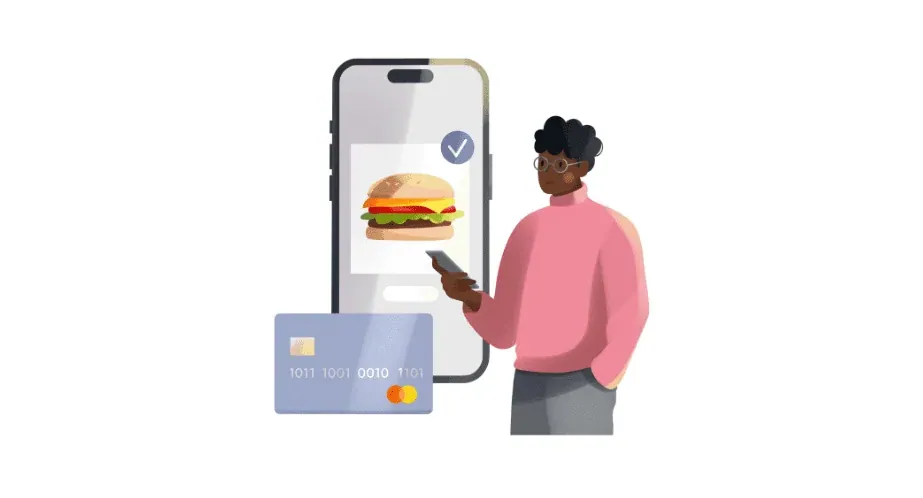
5 Key Features Your Online Ordering System Should Have 5 Key Features of a Good Online Ordering System
A strong online ordering system needs five core features: a user-friendly interface that makes browsing and checkout effortless, mobile compatibility through an app or responsive site, customization and personalization options for each order, secure payment processing that follows PCI standards and supports multiple payment methods, and real-time order tracking with notifications that keep customers informed.
Explore
ACH Transactions: Everything You Need to Know ACH Transactions: Everything You Need to Know
ACH (Automated Clearing House) transactions move funds electronically between bank accounts through a network governed by NACHA, typically settling in one to two business days at lower cost than checks, wires, or cards. ACH credits push funds out (payroll, tax refunds, vendor payments) while ACH debits pull funds in (subscriptions, loan payments, utility bills), making ACH the backbone of recurring billing and direct deposit.
Explore
What Is a SaaS Payment Gateway? What Is a SaaS Payment Gateway?
A SaaS payment gateway is a cloud-hosted service that securely transmits payment information between customers, merchants, and financial institutions — handling authorization, encryption, and processing without on-premise software. Delivered on a subscription model, it offers scalability for transaction spikes, pre-built integrations and APIs, PCI DSS-grade security with tokenization, and multiple payment methods that simplify checkout.
Explore
Level Up Your E-commerce Skills: A Beginner's Guide Level Up Your E-Commerce Skills: A Beginner's Guide
To build e-commerce skills, learn the B2B, B2C, and C2C models, choose a platform like Shopify, WooCommerce, or Magento based on cost and scalability, design a user-friendly website with fast checkout, build a catalog with quality images, implement secure PCI-compliant payment gateways, market through SEO, social, and email, and track performance with analytics.
Explore


Frequently asked questions
What is the difference between a payment gateway and a payment processor?
The gateway is the connection between your checkout and the card networks — it carries the transaction; the processor is the party that settles it into your account. RapidCents is both, which is why one account covers the gateway, hosted checkout, payment links and the deposit they fund.
Which online option keeps card data off my systems?
Hosted checkout, payment links and Rapid.js hosted fields all post the card from the customer’s browser straight to RapidCents, so it never touches your server. That keeps you on the shortest PCI questionnaire, SAQ A. A custom checkout that relays the card through your own server does not.
How do I reduce chargebacks on card-not-present sales?
Use 3-D Secure where it is available, show the refund policy before the customer pays, use a billing descriptor the customer will recognise, and keep proof of delivery. Clauses G.2, G.3 and G.5 of the Services Agreement make the first three obligations rather than tips, and the guides explain each.
Can I accept payments in other currencies?
Yes, where the account is set up for it; the currency conversion fee is disclosed in the fee schedule rather than repeated here. The guide on international payments explains what the customer sees, what you receive and where the conversion happens.